
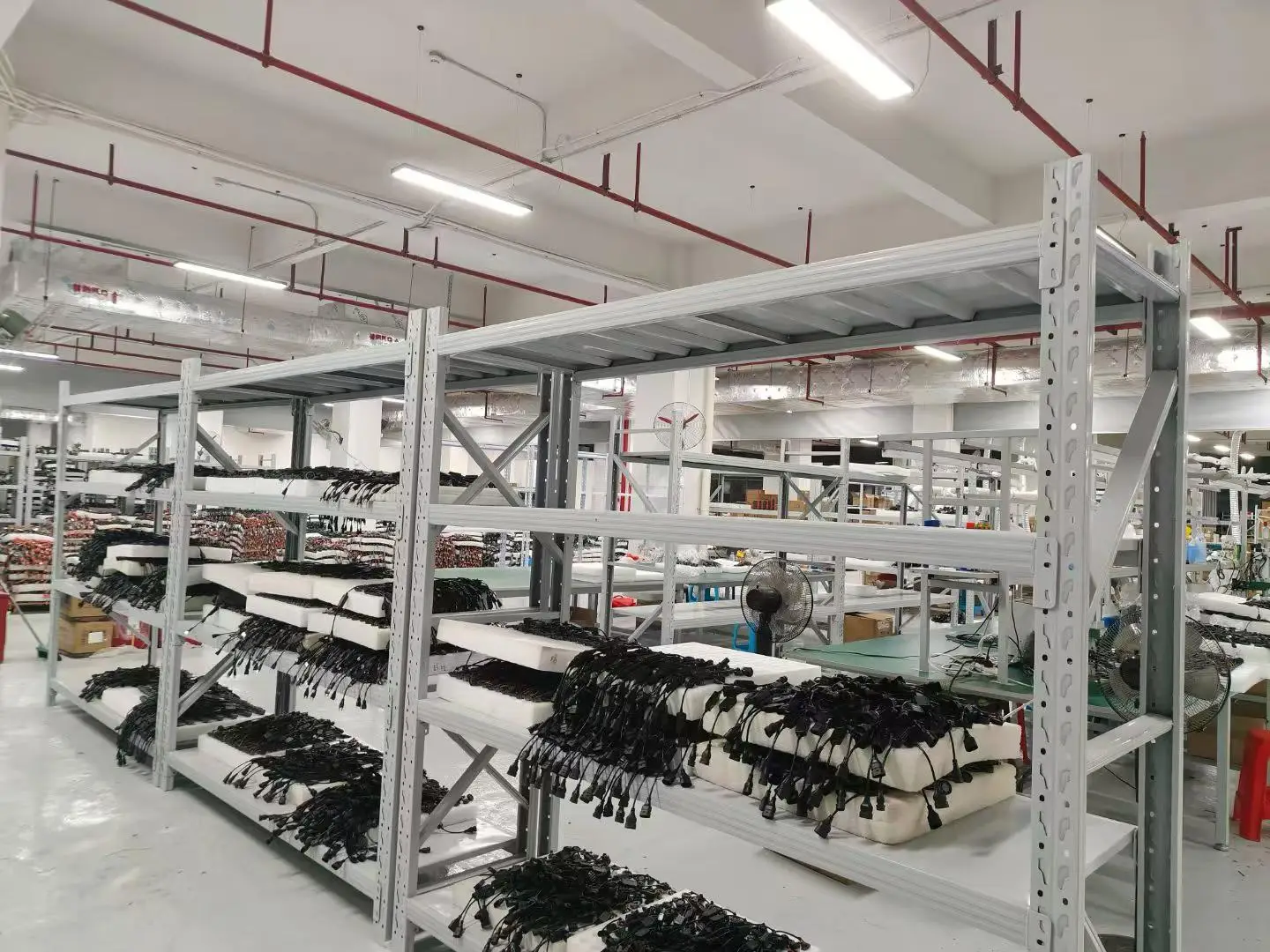
The checklist that separates a clean shipment from a headache: packing — unit carton with absorber and bubble wrap, master carton of 20–40 pcs with model/description on 3 faces, heat-treated pallets (ISPM-15), strapped and wrapped; marking — country of origin visible on product and packaging; evidence — photo/video of loading at the factory and unloading in Mexico; documents — commercial invoice, packing list, B/L, certificate of origin and spec sheets traveling in print and digital.
| Control point | Before sailing | On arrival in Mexico |
|---|---|---|
| Unit carton | Bubble + absorber + protected socket | Open 3 random boxes per pallet |
| Master carton | Model, qty, batch on 3 faces | Cross-check vs packing list |
| Pallet | ISPM-15, strapped, wrapped | Photograph any dent BEFORE signing |
| Origin marking | 'Made in China' visible | Verify marking survived transit |
| Documents | 5 docs, print + digital | In hand before the broker arrives |
What is ISPM-15 and why does it matter?
The international standard requiring treated, marked wood for export packaging. A non-certified pallet can stop the shipment at destination — confirm the factory uses certified pallets.
Who pays for damaged cartons?
Depends where the chain broke: with factory loading evidence + intact seal on arrival + unloading video, the claim goes to the carrier or warehouse. Without that chain, you absorb it. Evidence is the cheapest, most valuable item on this list.
How do I protect complete assemblies?
Full assemblies ship with molded foam per unit and corner protectors. Ask for it explicitly at quoting: 'foam molded per unit' — cheap insurance against the most common damage.
Shop LED headlight bulbs by size
Wholesale buyers order by socket, not by series code. Pick a base to see the Chedina models listed for it, with specs and a quote path — and confirm the exact base before ordering.
Related reading
Short answers to the questions buyers ask us most.