
Why Drivers Are Moving Away from Halogen
Standard halogen headlights have lit roads for decades, but they were never designed for the way we drive today. A typical halogen bulb produces around 1,000 to 1,500 lumens per side and burns out after roughly 500 to 1,000 hours of use. If you drive at night regularly, you may be replacing bulbs every year or two and still struggling to see the road clearly. LED headlight bulbs solve both problems at once: they put out two to three times more usable light and last tens of thousands of hours.
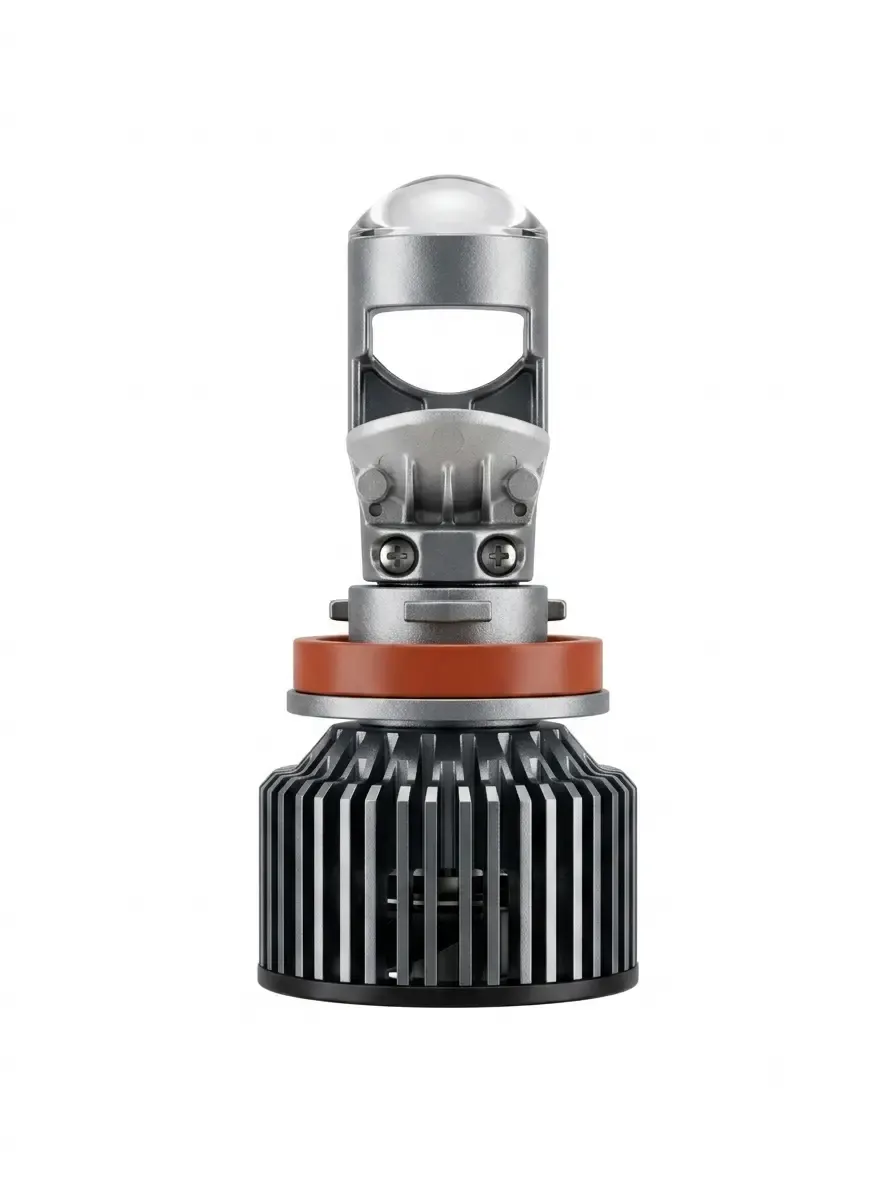
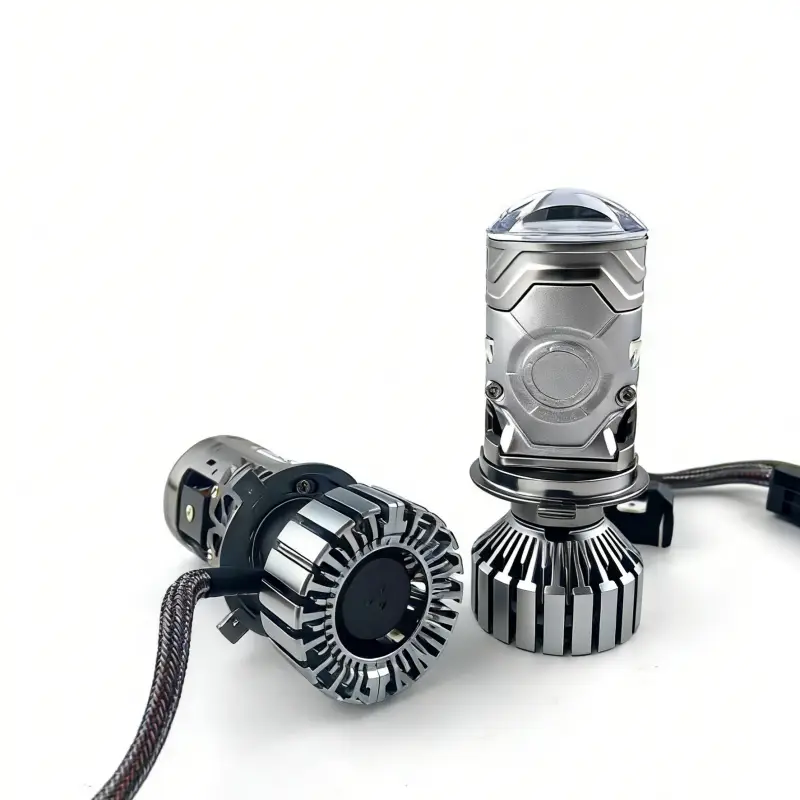
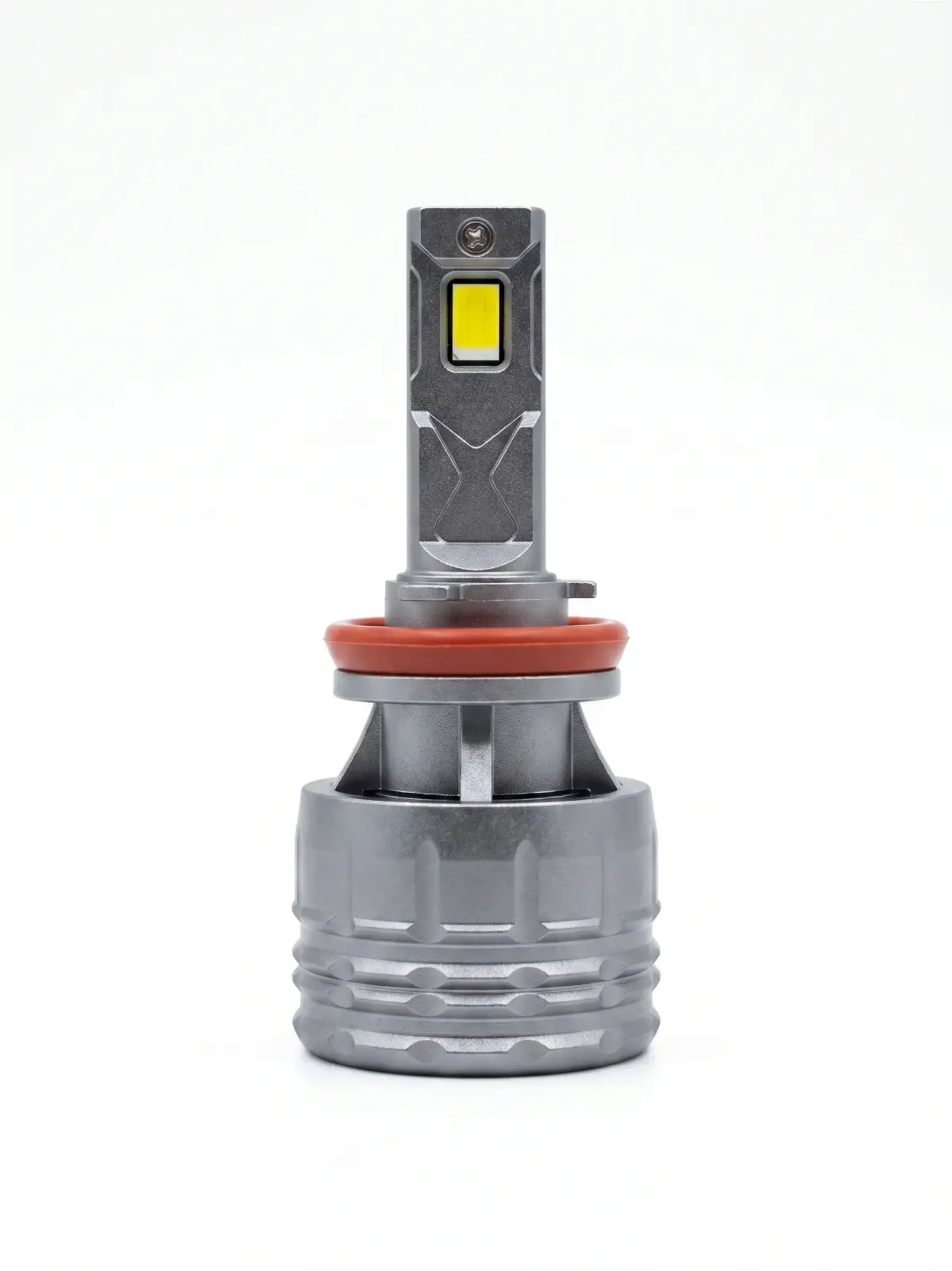
LED vs HID vs Halogen: The Quick Version
Here is how the three common headlight technologies compare:
- Halogen — cheapest to buy, dimmest output, shortest life (500 to 1,000 hrs), instant warm-up.
- HID / Xenon — very bright, bluish-white, needs a ballast and 2 to 5 seconds to reach full brightness, more expensive, more fragile.
- LED — bright and instant, 30,000 to 50,000 hr life, low power draw, compact, moderate price. The best all-round upgrade for most drivers.
Step 1: Identify Your Headlight Bulb Socket
This is the single most important step. An LED bulb only fits if its base matches your car socket. The common automotive sockets are H1, H4, H7, H8, H9, H11, H16, 9005, 9006, 9012 and H13. You can find your socket by checking the code stamped on your current bulb, your owner manual, or the vehicle headlight assembly. Every Chedina LED headlight lists its compatible sockets on the product page under Fits — match that list before you buy.
Single-Beam vs Dual-Beam Sockets
Some sockets carry both low and high beam in one bulb (dual-beam): H4 and H13 are the common dual-beam types. Others are single-beam — H1, H7, H11, 9005 and 9006 each handle only one beam, so your car uses a separate bulb for high beam. Knowing which you have determines how many bulbs you need.
Browse LED Headlights →Step 2: Lumens and Beam Pattern, Not Just Brightness
Lumens measure total light output, but what matters on the road is lux — how much light actually reaches the road without blinding oncoming drivers. A poorly aimed 10,000-lumen bulb can scatter light into other drivers eyes while leaving your lane dim. Look for bulbs with a defined cutoff and a beam pattern tuned for reflector or projector housings, not just the highest lumen number on the box.
Step 3: CANBUS Decoders — Avoid Dashboard Errors
Modern cars monitor each bulb current draw and warn you when one fails. Because LED bulbs draw far less power than halogens, many vehicles throw a false bulb-out warning or cause flickering. CANBUS-compatible bulbs are built to suppress these errors. Chedina LED headlights are error-free on more than 95% of BMW, Mercedes and Audi models without extra parts; if your specific car still reports an error, a small external decoder harness (sold separately) resolves it in minutes.
Step 4: Build Quality and Weatherproofing
Headlights live in a hostile environment — heat, vibration, rain and road salt. Choose bulbs with an aluminium housing, active or passive cooling, and an IP67 or IP68 rating so they keep working from -30C to +70C. A sealed, well-cooled bulb holds its brightness for years instead of fading after one summer.
Step 5: Plug-and-Play Installation
Most LED headlight upgrades are direct replacements: unplug the old bulb, plug in the new one, and secure it. Expect 20 to 40 minutes per pair with basic tools and no cutting or wiring. The main exception is H7, where many European housings need a small retaining adapter (holder) to seat the LED properly — Chedina includes or points you to the correct adapter for your model.
How to Choose the Right Color Temperature
Color temperature is measured in Kelvin (K). Most drivers prefer 5,000 to 6,000K, a clean white close to daylight that improves contrast. If you drive in heavy fog or rain, a warmer 3,000 to 4,300K reduces glare reflection. Avoid extreme blue tints — they look aggressive but reduce useful road light.
Frequently Asked Questions
Will LED headlights fit my car?
Only if the socket matches. Confirm your bulb socket code, then check it against the Fits list on the product page. Buying by socket is the only reliable way to guarantee fitment.
Are LED headlight bulbs legal?
Rules vary by country. In many regions, LED bulbs in original halogen reflector housings sit in a legal grey area and are intended for off-road or private-property use; some markets allow them where ECE or DOT-approved. Always check your local regulations before road use.
Why does my dashboard show a bulb error after installing LEDs?
Your car CANBUS detects the lower current draw of LEDs and assumes the bulb is out. Use CANBUS-compatible bulbs; if the warning persists, add an external decoder harness.
How long do LED headlights last?
Quality LED headlights are rated for 30,000 to 50,000 hours, versus 500 to 1,000 hours for halogen — often the life of the vehicle.
Should I replace both bulbs at the same time?
Yes. Replacing in pairs keeps brightness and color temperature matched, and prevents one old and one new bulb from creating uneven lighting.
Can I install LED headlights myself?
In most cars, yes — they are plug-and-play in 20 to 40 minutes. H7 fits may need a retaining adapter, and a few vehicles require a decoder, but no special tools are needed.